In late September, Andy Burnham announced a £210 million cash injection into high street regeneration to convert vacant, derelict buildings into cafes and community hubs.
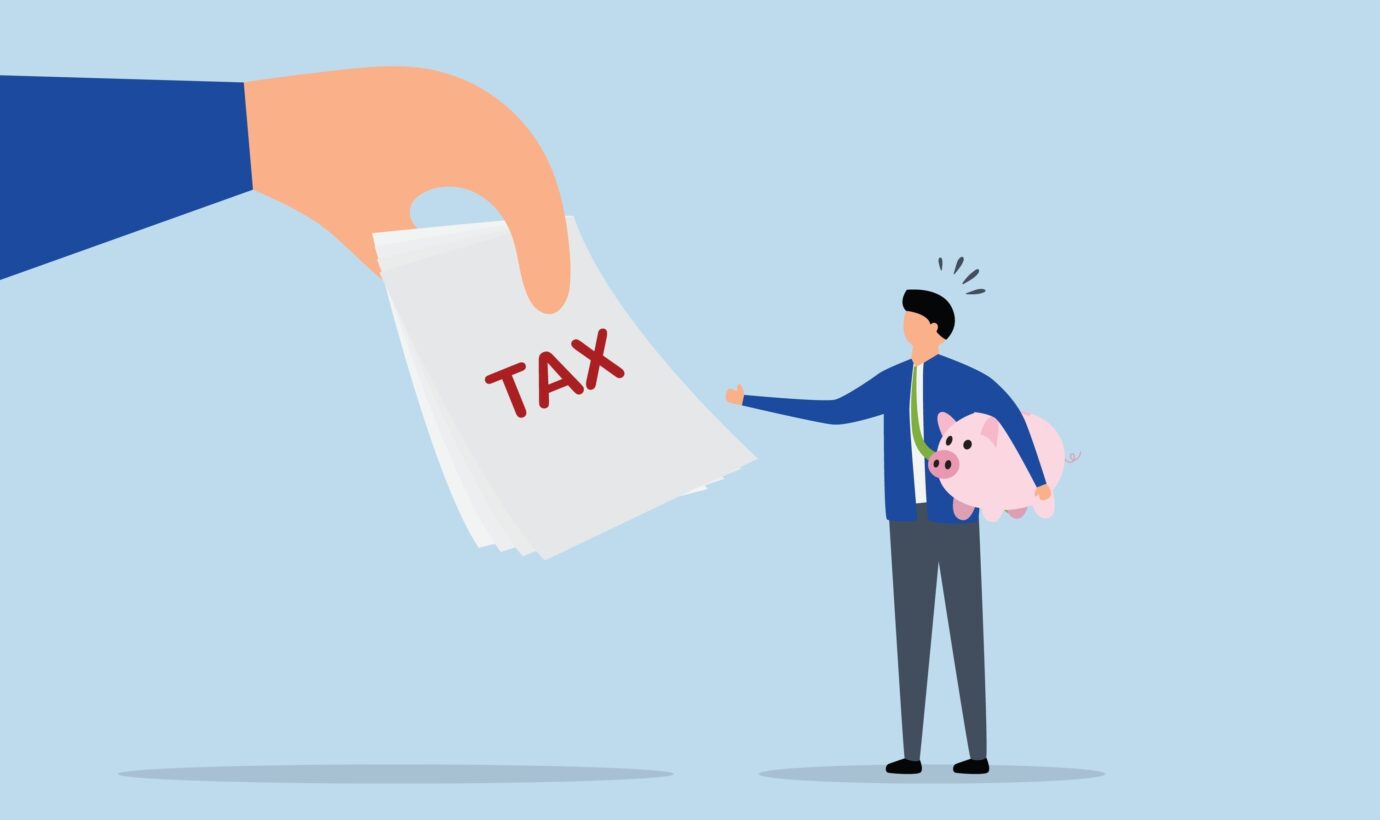
However, a recent study has found that hospitality and retail venues pay more tax than any other UK sector, calling into question the efficiency of the recent pledge.
How much more tax do retail and hospitality pay?
A recent study conducted by the British Retail Consortium (BRC) and UK Hospitality (UKH) found that hospitality businesses pay 82p in tax for every £1 they make, while retail businesses pay 72p.
These are the highest tax-to-revenue ratios of any sector, compared with 40p for banks.
The organisations have warned that this significant tax burden could have wider consequences for businesses and consumers, including fewer jobs, reduced investment and higher prices.
For high street businesses, these pressures could also make it more difficult to invest in new premises or take on vacant shops.
While regeneration projects may attract more customers to high streets, businesses may remain reluctant to expand if the cost of operating remains high, potentially adding to the challenges already facing the retail and hospitality sectors.
What does the tax burden mean for businesses?
For businesses operating on the high street, a significant tax burden can put further pressure on already-tight profit margins.
Retail and hospitality businesses often face a combination of costs, including VAT, Business Rates, employer National Insurance contributions and Corporation Tax, alongside rising wages, energy bills and other operating expenses.
When a larger proportion of revenue is absorbed by tax and other costs, businesses have less money available to reinvest in their premises, hire staff, increase wages or expand their operations.
For smaller businesses in particular, this can make it harder to absorb unexpected increases in costs without passing them on to customers through higher prices.
For business owners, understanding the tax implications of trading from a high street premises is therefore an important part of assessing whether an investment is financially viable.
Effective tax planning can help businesses identify available reliefs, manage their tax liabilities and protect cash flow.
How can an accountant help with tax efficiency?
With tax representing a high cost for many retail and hospitality businesses, working with an accountant can help business owners understand their tax position and identify opportunities to improve tax efficiency.
An accountant can help businesses:
- Identify available tax reliefs and allowances – Ensuring the business is making full use of legitimate deductions, capital allowances and other available reliefs.
- Choose the right business structure – Reviewing whether operating as a sole trader, partnership or limited company remains appropriate as the business grows.
- Manage VAT effectively – Helping businesses understand their VAT obligations and ensuring they are using the correct VAT treatment for their goods and services.
- Plan for major investments – Advising on the tax implications of purchasing equipment, renovating premises or expanding into new locations.
- Improve cash flow – Helping businesses plan for tax liabilities and avoid unexpected bills that could put pressure on working capital.
- Plan ahead for tax changes – Keeping businesses informed about relevant changes and helping them prepare rather than react to new liabilities.
For high street businesses facing rising operating costs, effective tax planning can be an important part of protecting profitability.
Our team of accountants can help ensure that businesses are paying the tax they are required to pay, while making use of reliefs and allowances available to them.For support with tax efficiency in the retail and hospitality sectors, get in touch with our team.